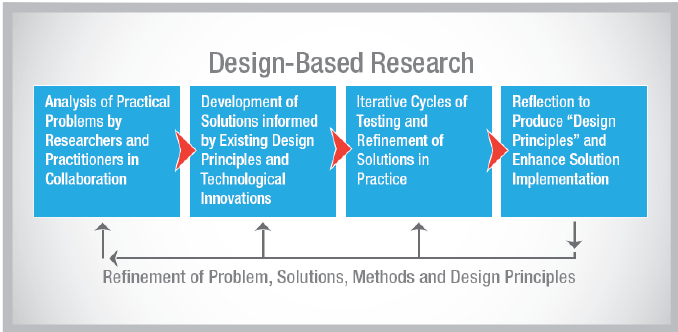
Design-Based Research Proposal: Enhancing Competencies in Developing Reading and Instructional Materials Among Primary School Teachers in Rural Public Primary Schools in Uganda.
1. Introduction
Uganda’s education system faces significant challenges, particularly in rural public primary schools, where learning outcomes in literacy and numeracy remain alarmingly low. Despite efforts by the government to improve educational standards, disparities persist, particularly between rural and urban schools, as well as between public and private institutions. A 2024 Uganda National Examinations Board (UNEB) report, coupled with the latest findings from UWEZO (2025), indicates a troubling decline in learning outcomes, with significant gaps in foundational literacy and numeracy, especially in rural schools. This proposal seeks to address these challenges by improving the competencies of primary school teachers in rural public schools, particularly in developing reading and instructional materials, to enhance overall student learning outcomes.
Background and Rationale
Recent data underscores the urgency of addressing the declining quality of education in Uganda’s primary schools. According to the 2024 UNEB Primary Leaving Examination (PLE) results, students from rural public schools continue to underperform relative to their urban counterparts. The gap in literacy and numeracy achievement is stark. For example, in the 2024 National Assessment of Progress in Education (NAPE), learners in rural areas scored 40% lower in both literacy and numeracy assessments compared to their urban peers. In contrast, students from private primary schools consistently outperform their public-school counterparts, with the latter group showing significantly lower proficiency in core subjects. The UWEZO report of 2025 confirms that only 23% of Primary Seven learners in Uganda can read and understand a Primary Two-level English text, revealing a widespread inability to meet even basic literacy benchmarks.
A significant factor contributing to these disparities is the quality of instructional materials available to teachers, particularly in rural schools. Teachers in rural areas often struggle with limited access to textbooks, teaching aids, and other resources necessary for effective teaching. Furthermore, many teachers in these areas have not received sufficient professional development training, especially in the development and use of locally relevant instructional materials. This lack of training and resources negatively impacts teaching effectiveness, resulting in poor student learning outcomes.
In comparison, urban schools and private institutions generally have better access to educational resources, including up-to-date textbooks, digital learning tools, and well-trained teachers. The better learning environments in urban schools contribute to better learning outcomes, as evidenced by the consistently higher literacy and numeracy results in both UNEB and NAPE assessments. However, rural schools, where the majority of Uganda’s population resides, face significant challenges due to resource constraints and teacher training deficits. Therefore, improving teacher competencies in developing appropriate reading and instructional materials in these rural settings is a critical intervention that could significantly improve learning outcomes for students.
Problem Statement.
The primary challenge in rural Ugandan public primary schools is the inadequacy of teachers’ competencies in developing effective, contextually relevant reading and instructional materials. This gap in teacher skills is a key contributor to the poor learning outcomes in literacy and numeracy observed in rural schools, as highlighted in recent assessments. The disparity between rural and urban students’ performance, as well as the difference in outcomes between public and private schools, emphasizes the urgent need for targeted interventions that focus on improving teacher competencies in the creation and use of instructional materials. Without such interventions, the quality of education will continue to stagnate, and learning inequalities will persist.
Objectives of the Study.
The primary objective of this research is to improve the competencies of primary school teachers in rural public primary schools in developing reading and instructional materials that are contextually relevant and effective in improving literacy and numeracy outcomes for learners. Specifically, this project aims to:
Develop and implement a training program focused on enhancing teachers’ skills in creating and using effective instructional materials.
Evaluate the impact of the training on teacher competencies, particularly in the development of reading and instructional materials.
Assess the effect of improved instructional materials on student learning outcomes in literacy and numeracy.
Compare learning outcomes between rural and urban learners, as well as between learners in public and private schools, to understand the impact of improved teacher competencies and materials on student performance.